
Wedding Etiquette in 2026: Everything You Need to Know

Photo Credit: Paisley Grace Makery
While you may think of your parents’, grandparents’ and great-grandparents’ weddings with fondness, the truth is wedding traditions are evolving. Age-old rules like not wearing white unless you’re the bride have stuck around, but figuring out the world of wedding etiquette in 2026 can be complex. Here are some key etiquette questions modern couples face and how to navigate them with confidence and grace.
Who Pays for the Wedding
Traditionally, the bride’s family paid for a majority of the wedding, specifically the day-of elements like the venue, catering and photography. The groom’s family was expected to cover the rehearsal dinner and alcohol for the reception.
However, with the increase in wedding costs, it is no longer possible for many people to cover the entire bill. Many modern couples may even pay for everything themselves.
While figuring out the wedding budget can be stressful, it’s not taboo to do what works for you and your partner. First, sit down with both of your parents or grandparents and politely ask if they are able to contribute. Then, as a couple, decide how much you want to spend from your own pockets. Don’t worry about tradition in this area. Make whatever funds you have work to create the perfect wedding.
Who to Invite
The guest list can be the second biggest challenge after the budget. You may have parents who insist that you have to invite every distant relative or family friend to be polite. However, that’s just not the norm anymore.
Who you invite largely depends on your budget. Every guest adds up, so if you want to save money, it’s best to keep your list as short as possible. Start by listing your close family members, and then your best friends. From there, if you have space, you can consider more distant relatives, coworkers, acquaintances or neighbors.
The rules are changing for plus ones, as well. It is traditional to extend a plus one to any adult, but many modern couples are breaking this rule. While married and engaged couples should always be invited together, some people opt not to give plus ones to single people.
What to Put on the Registry
For decades, the registry was a straightforward list of home goods a couple needed to start their life together. As more couples live together before marriage, the need for a new set of bath towels or a stand mixer has decreased.
It’s common and no longer considered a faux pas to ask for cash gifts. In many cases, it’s even easier for guests to give you cash in a card rather than order a gift and pay for shipping costs.
If you’re going this route, how you ask is key. On your wedding website, you can politely word your preference with phrases like, “Your presence at our wedding is the greatest gift of all. However, if you wish to honor us with a gift, a contribution to our honeymoon fund would be warmly appreciated.” Many wedding websites allow you to add a cash fund, so guests can pay right on the site.
Mastering the Art of the Thank-You Note
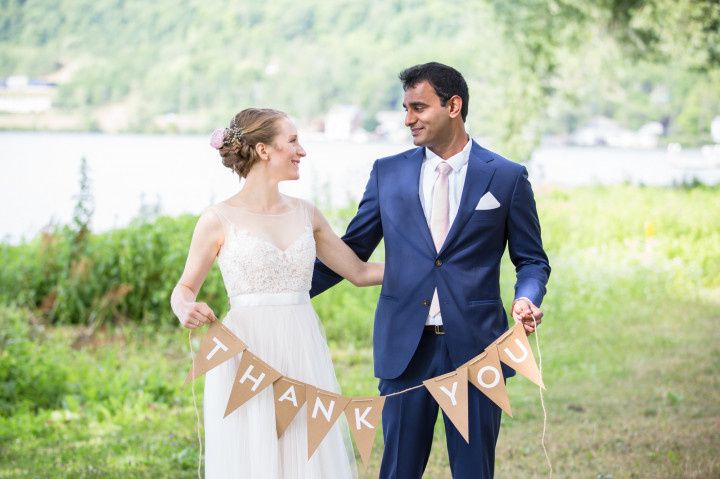
Photo Credit: Anna Simonack Photography
While digital save-the-dates and invitations are becoming common for their practicality, the handwritten thank-you note remains a nice touch in wedding etiquette. Your guests likely spent time and money to spend the day with you, so you should take the time to thank each and every one.
The note doesn’t have to be longwinded. Start with a simple, “thank you for sharing this special day with us.” If they gave you a gift, you can say how excited you are to use it. If they gifted cash, the wording, “thank you for the generous gift,” is appropriate.
If you receive gifts before the wedding, it’s best practice to send a thank-you note as soon as possible, rather than waiting until after the celebration. This reassures the sender that their gift arrived safely and allows you to manage the task in smaller batches.
Requesting an Unplugged Ceremony
While this certainly isn’t an etiquette rule your grandparents had to deal with, it is a new norm. Asking your guests to turn their phones off for the ceremony ensures that you won’t have any noise disruptions or camera flashes. It also encourages guests to be present during the ceremony instead of taking photos or texting.
To communicate this wish, include a note on your website, place a polite sign at the ceremony entrance or have the officiant make an announcement before the proceedings begin.
Navigating Dress Codes
Some wedding dress codes have stood the test of time. For guests, don’t wear white, avoid anything too revealing and try to look your best. However, it’s becoming more common for couples to request more specific dress codes, themes or restrictions.
For example, you might state no jeans or sneakers if you are concerned guests might dress too casual. If you want your guests to be on theme, you might ask them to wear certain colors or patterns, like jewel tones or florals. You might put inspiration photos on your website to give people an idea of what they might wear to match the theme.
While some guests might enjoy dressing on theme, it’s important to remember that not everyone may follow along. Older relatives might not have access to your wedding website for the details, while some people might not be able to buy something new to wear. Try to think of the dress code as a fun element, but not something that will ruin the day if someone misses the mark.
Modern Etiquette, Timeless Principles
Modern wedding etiquette may have more gray areas than the traditions of the past, but its core principles remain the same: make your guests feel welcome, show gratitude and communicate clearly. The beauty of a 2026 wedding is the freedom to blend timeless traditions with practices that feel authentic to you as a couple. By leading with kindness and consideration, you can navigate any situation with grace and plan a celebration that is as respectful to your guests as it is true to your love story.
Author bio: Cora Gold is a wedding writer and editor of Revivalist magazine. She aims to inspire couples to achieve the wedding of their dreams. Connect with Cora on LinkedIn, Pinterest and Twitter.

2024 © All Rights Reserved. Spruce Mountain Ranch Privacy Policy