

10 Things Couples Forget to Include in Their Wedding Budget

Photo Credit: Getty Images
Planning a wedding is exciting, but it is also one of the first times many couples manage a large event budget together. You probably already have the big-ticket items on your list — venue, catering, photography and attire. However, small overlooked expenses can add up surprisingly fast.
The good news is that a little planning now can prevent stressful surprises later. Here are 10 additional details to keep in mind for your budget.
1. Vendor Tips and Gratuities
Many couples remember to pay their vendors but forget about gratuities. Depending on your contracts, tips may or may not be included in the final bill. Catering staff, bartenders, drivers, hair and makeup artists and delivery teams are commonly tipped.
For wedding planners, a reasonable amount would be 15% to 20% of the total fee, or you can surprise them with a nice gift.
Tip photographers and DJs up to 20% as well. Set aside a few hundred dollars for these tips alone. Remember to check every contract before the wedding to confirm whether service charges are already included.
2. Marriage License and Legal Paperwork
The expense for the paperwork is small compared with the event itself, which is exactly why couples often overlook it.
In Colorado, marriage licenses are issued by county clerk offices and the fee is $30, so it may be better to budget about $30–$50 for the license itself, plus a little extra for certified copies if you plan to change your name or update legal documents after the wedding.
3. Wedding Transportation
Transportation is one of the most commonly forgotten wedding expenses. Couples often budget for a getaway car but forget about guest shuttles, airport pickups for family members or transportation between a ceremony site and a reception venue.
It helps to know what your budget limitations are, given that costs can range from $350–$2,200 for transportation, depending on the type of vehicle you’re looking for.
Additionally, industry transportation planners recommend finalizing transportation details 4 to 6 months before the wedding, especially for destination or mountain weddings, where availability can be limited.
4. Alterations and Tailoring
Wedding attire rarely fits perfectly straight off the rack. Brides often need hemming, bustle work or bodice adjustments, while grooms may need pant hemming or jacket tailoring.
Although the average cost of wedding dress alterations is around $700 to $1,000, it depends on the type of change you wish to make.
Hemming a dress may be a simpler fix, while taking it in might require more work. Consider additional fees, such as keeping pockets, if changes to the lining are required, too.
If you are buying attire from a boutique, ask for alteration estimates before you commit so you can include them in your wedding budget from day one.
5. Extra Food and Beverages
Your caterer will quote a per-person price, but there are usually additional food-related costs. Vendor meals, late-night snacks, extra appetizers, coffee service and additional bar hours are easy to miss during initial planning.
Since the average total cost of wedding catering is $4,000, a practical estimate for extra food and beverages could be $300-$1,500, depending on the guest count and menu choices.
6. Decor Setup, Cleanup and Delivery Fees
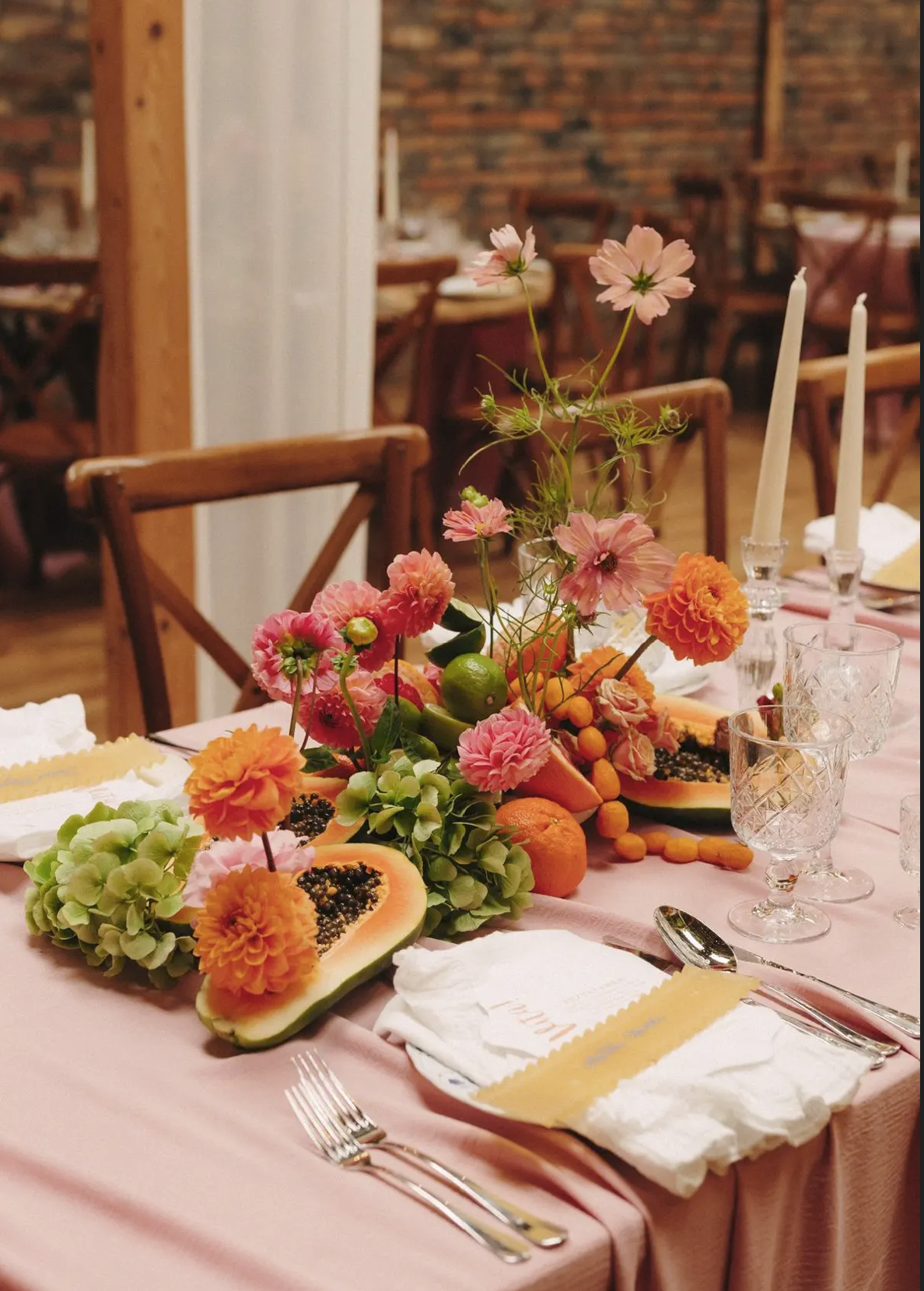
You may have budgeted for flowers and decorations, but not for the labor involved in setting them up and taking them down. Florists and rental companies often charge separate delivery, installation and pickup fees.
Florists may charge around 15% of the total cost for delivery, so budget that amount or more, depending on how elaborate your decor is and how far vendors must travel.
If you’re paying for cleaning services, the cost may range from $100 to $500.
7. Weather Backup Costs
If you are planning an outdoor ceremony, you should budget for a backup plan such as a tent, heaters, fans, umbrellas or an indoor reservation fee.
A tent setup typically averages between $1,500 and $6,000, depending on size and features. You may be able to find one that’s less expensive, especially if you’re having a microwedding with fewer guests.
8. Hair and Makeup Trial Appointments
Many couples include wedding-day beauty services in their budget but forget to account for trial appointments. Trials help you test styles, timing and products before the big day, which can prevent disappointment later.
The cost for hair and makeup ranges between $150 and $400, depending on whether you book hair, makeup or both. If you are covering services for bridesmaids or parents, remember that their trials are usually an additional cost.
9. Thank-You Cards, Postage and Small Stationery Items
Invitations are only part of your stationery costs. Thank-you cards, postage for response cards, menu cards, place cards, programs and signs can add up quickly.
You can find thank you cards in bulk for just a few cents per card, so it would be reasonable to set aside a dollar or two per guest. Keep in mind that, ideally, paper expenses should not surpass 2% of your total budget.
10. Emergency Supplies and Last-Minute Purchases
Almost every wedding involves a few last-minute purchases — safety pins, fashion tape, stain remover, extra umbrellas, batteries, extension cords, phone chargers, pain relievers or sewing kits. These items are inexpensive individually but surprisingly costly when added up.
Wedding planners often keep emergency kits because these needs arise so frequently. However, a realistic cushion may be $100–$400.
The Small Expenses Matter More Than You Think
Many couples go over their intended budget because of small factors they didn’t originally plan for. Transportation, tips, alterations and emergency supplies may not be glamorous, but they are very real wedding costs. If you build these items into your wedding budget now, you will give yourselves more financial breathing room and a much smoother wedding week.
Author bio: Cora Gold is a wedding writer and editor of Revivalist magazine. She aims to inspire couples to achieve the wedding of their dreams. Connect with Cora on LinkedIn, Pinterest and Twitter.



2024 © All Rights Reserved. Spruce Mountain Ranch Privacy Policy