

How to Turn a Corporate Retreat Into a Story Worth Sharing

Many corporate retreats blur in people’s memories. For some, a retreat might just feel like another meeting rather than an engaging, team building opportunity.
For planners, that can feel frustrating given the time, budget and energy involved. The difference between a forgettable retreat and an impactful one often comes down to storytelling. When you think of offsite time as a narrative rather than a schedule, every decision supports a bigger picture, from the first invitation to the final follow-up.
Here’s how you can turn a corporate retreat into a story people will be talking about for years to come.
1. Start With the “Why” to Build Your Narrative
A good corporate getaway should be about more than just getting people out of the office. Before venues are toured or speakers are booked, define the core purpose. This “why” is the spine of your story. Are you aligning around a new strategy, celebrating a major milestone or helping a newly merged team find its footing?
Once the purpose is clear, this should inform every element of the experience. The language in your invitations, the tone of the opening session and even the closing remarks should all reinforce this central theme. When participants understand why they are there, the retreat feels intentional rather than obligatory, and the memories become easier to internalize and retain.
2. Choose a Location Beyond the Ordinary
The setting is a character in your narrative. A generic hotel conference room is not likely to wow people.
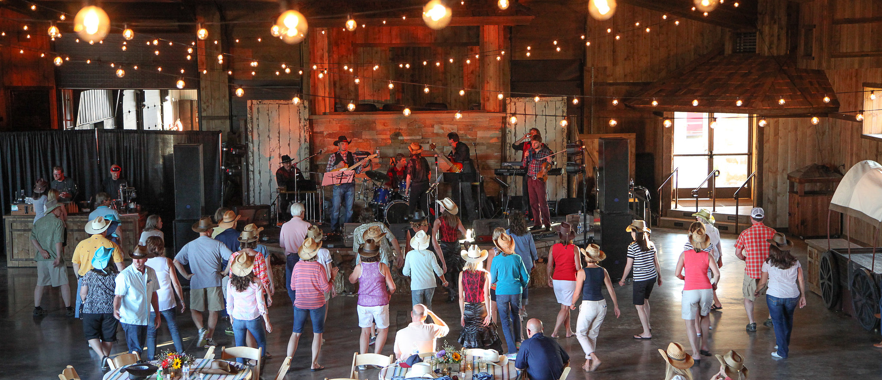
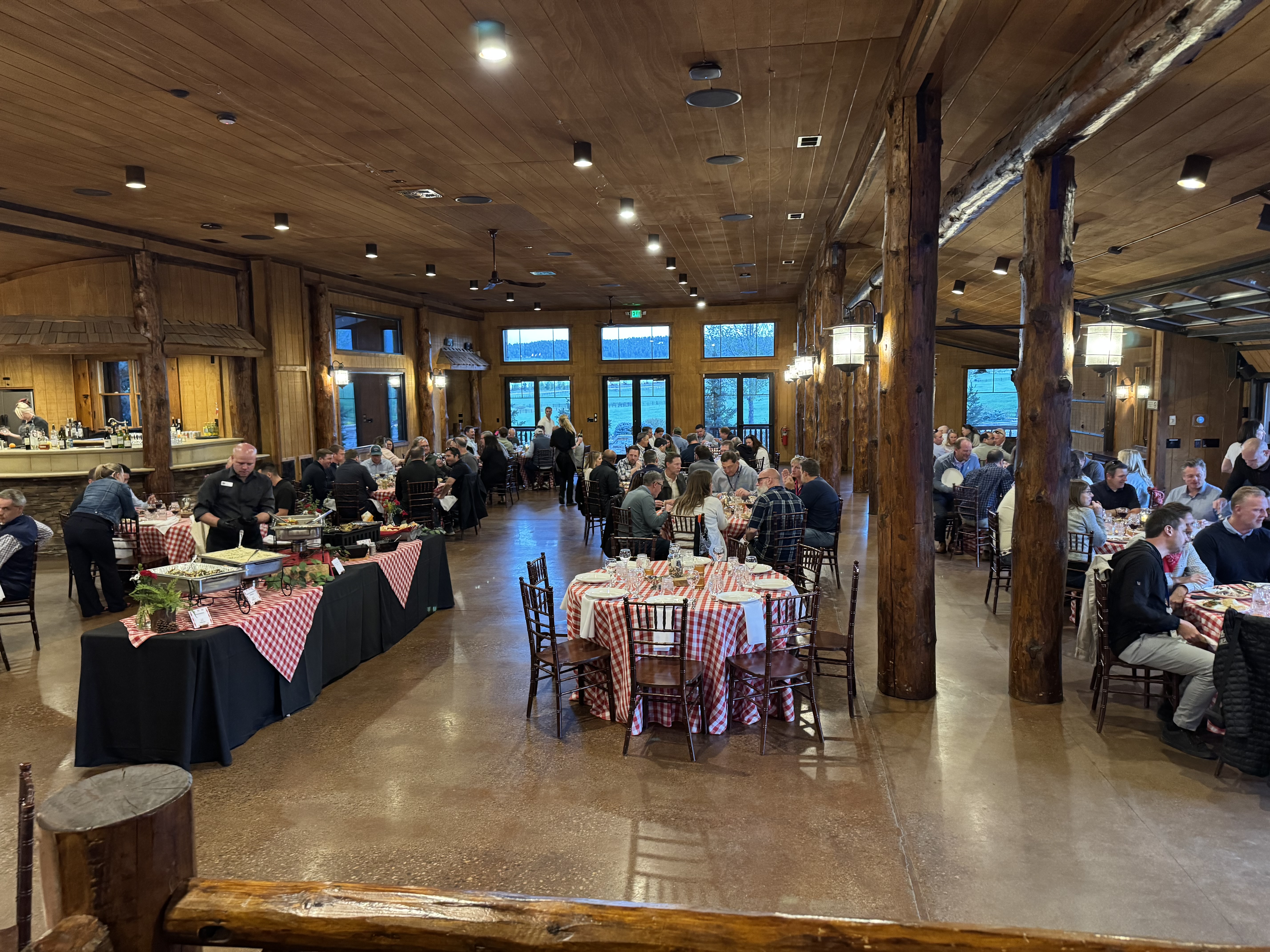
At a private venue like Spruce Mountain Ranch, you can make the event into something truly special. A scenic, natural environment can breathe fresh air into a corporate team and allow them to recharge away from the city.
Booking a dedicated event venue also means you can work with a team of professionals who will customize your experience. You can really make the space your own while taking advantage of the luxury amenities and beautiful backdrop.
3. Give Your Itinerary a Beginning, Middle and End
Strong stories have structure, and your retreat should, too. Rather than stringing together unrelated sessions, think in terms of an arc. The beginning sets expectations and builds excitement, the middle does the deeper work, and the end provides resolution and clarity about what comes next.
It does not have to be complex. A very simple two-day itinerary, like the following example, can still hold the intended structure.
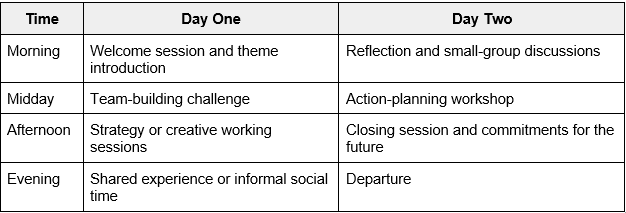
This structure helps participants feel progress. They arrive curious, engage deeply and leave with a sense of completion rather than an abrupt closure.
4. Weave in Modern, Tech-Savvy Touches
It’s time to think beyond the typical slideshow or panel discussion. New technology can bring your event into the present and make sure everyone is engaged and energized.
Modern team retreats are increasingly shaped by immersive and tech-enabled experiences. A few effective approaches include:
- QR codes can be placed around the venue to unlock prompts, clues or short videos. You can create a highly cost-effective collaborative scavenger hunt that is closely tied to the theme.
- AI-powered personalization can dynamically generate agendas based on role or interest, or automatically edit a highlight reel reflecting individual participation.
- Interactive displays or kiosks can facilitate team contribution in real time, visually reinforcing collective progress.
When technology is framed as part of the experience — helping people discover, reflect or contribute — it becomes a storytelling tool rather than an abstract novelty.
5. Engineer Moments for Genuine Connection
Shared stories are built on shared emotional moments. While formal sessions matter, connection often happens in less structured spaces. Consider including activities that encourage people to relate as individuals, not just as colleagues. Guided storytelling circles, creative problem-solving exercises unrelated to work or even intentional downtime can all lead to authentic interaction.
Creating these moments is not just a feel-good exercise. It is a strategic way to build what researchers call a “collective work-identity.” According to a 2022 study, a strong sense of team belonging is built upon a collective story and its memories. A corporate getaway is your opportunity to create a powerful, positive new memory that becomes a foundational part of team identity.
This is especially important if some of your staff are normally remote, either wholly or partly. Working from home can be lonely and isolating, so opportunities to build real face-to-face bonds are welcome. These moments of connection often become the anecdotes people remember most, because they reveal personality, trust and vulnerability.

6. Capture the Narrative as it Unfolds
If a retreat is a story, someone should document it. Assign a person or small team to act as the event’s storytellers. Their role is to capture candid photos, meaningful quotes or small interactions that reflect the event’s purpose.
This material will be invaluable later. It allows you to reconstruct the memory for those who attended and share it with those who did not. More importantly, it ensures the story you created does not fade as soon as people return to their routines.
7. Keep the Story Alive After the Retreat Ends
The end of the retreat is not the end of the tale. How you follow up determines whether the experience becomes a turning point or just a vague memory. Research shows high-performing teams are strong in curiosityand emotional and social intelligence, so reminding colleagues of an event where they experienced those qualities can have an impact. Post-getaway communication should intentionally reinforce the narrative.
- Send a recap message framing the event around its original “why,” highlighting key moments and outcomes.
- Share a professionally edited video or curated photo gallery to visually reinforce the experience.
- Reference shared moments, insights or even light-hearted inside jokes in future meetings, to keep the story present.
These touchpoints signal that the offsite time mattered and that its themes remain relevant in attendees’ daily work.
Turning Experiences Into Lasting Meaning
By approaching planning with a clear purpose and storytelling lens — and by using modern tools to enhance the narrative — you can create much more than just another standard corporate retreat. It takes time and thought to arrange, but your investment will pay off when colleagues absorb the messaging and continue to remember and learn from the experience long after they return to work.
Author bio: Cora Gold is a wedding writer and editor of Revivalist magazine. She aims to inspire couples to achieve the wedding of their dreams. Connect with Cora on LinkedIn, Pinterest and Twitter.


2024 © All Rights Reserved. Spruce Mountain Ranch Privacy Policy